
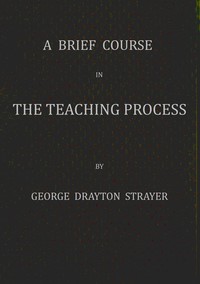
A brief course in the teaching process by George D. Strayer
Don't go into this book expecting a novel with a plot. Think of it instead as a detailed instruction manual from 1912, written for the new teacher stepping into their first classroom. George D. Strayer, a major figure in shaping American education, breaks down the teacher's enormous job into clear parts.
The Story
There's no fictional narrative here. The 'story' is the logical process of teaching itself. Strayer walks you through it step-by-step. He starts with the big picture: what are the true aims of education for the child and for society? Then, he gets incredibly practical. How do you prepare a daily lesson plan that has clear objectives? How do you actually present that lesson to keep students engaged? Perhaps most intensely, he spends significant time on classroom management and discipline—how to govern a room full of young minds efficiently and firmly. The book closes on how to measure if any of it worked, through careful testing and evaluation of the students' progress. The entire book is a blueprint for systematic, purposeful teaching.
Why You Should Read It
Reading this is a humbling and eye-opening experience. Strayer's voice is direct, authoritative, and sometimes startlingly strict by today's standards. His focus on efficiency and measurable results shows the influence of the industrial age on schools. What gripped me wasn't agreement with every idea, but the window into the foundational thinking of modern education. You see the origins of things we take for granted, like lesson planning and standardized testing. More powerfully, you feel the sheer weight of expectation on teachers of that era. They were the sole source of knowledge, classroom manager, and moral guide, all without today's technology or support systems. It makes you think deeply about what we ask of educators now.
Final Verdict
This isn't a book for everyone. If you're looking for a light read, look elsewhere. But if you're a current teacher, an education student, or a history buff curious about the roots of our school system, this is a must-read primary source. It's perfect for anyone who wants to understand why classrooms were run the way they were, and to have a grounded, historical perspective on today's endless debates about education. You'll come away with a newfound respect for the profession's long evolution.





Betty Perez
8 months agoAs someone who reads a lot, the emotional weight of the story is balanced perfectly. Exactly what I needed.